How to Change a Successful Product Without Losing Consumers
A Babysteps Approach to Product Differentiation
The Challenge
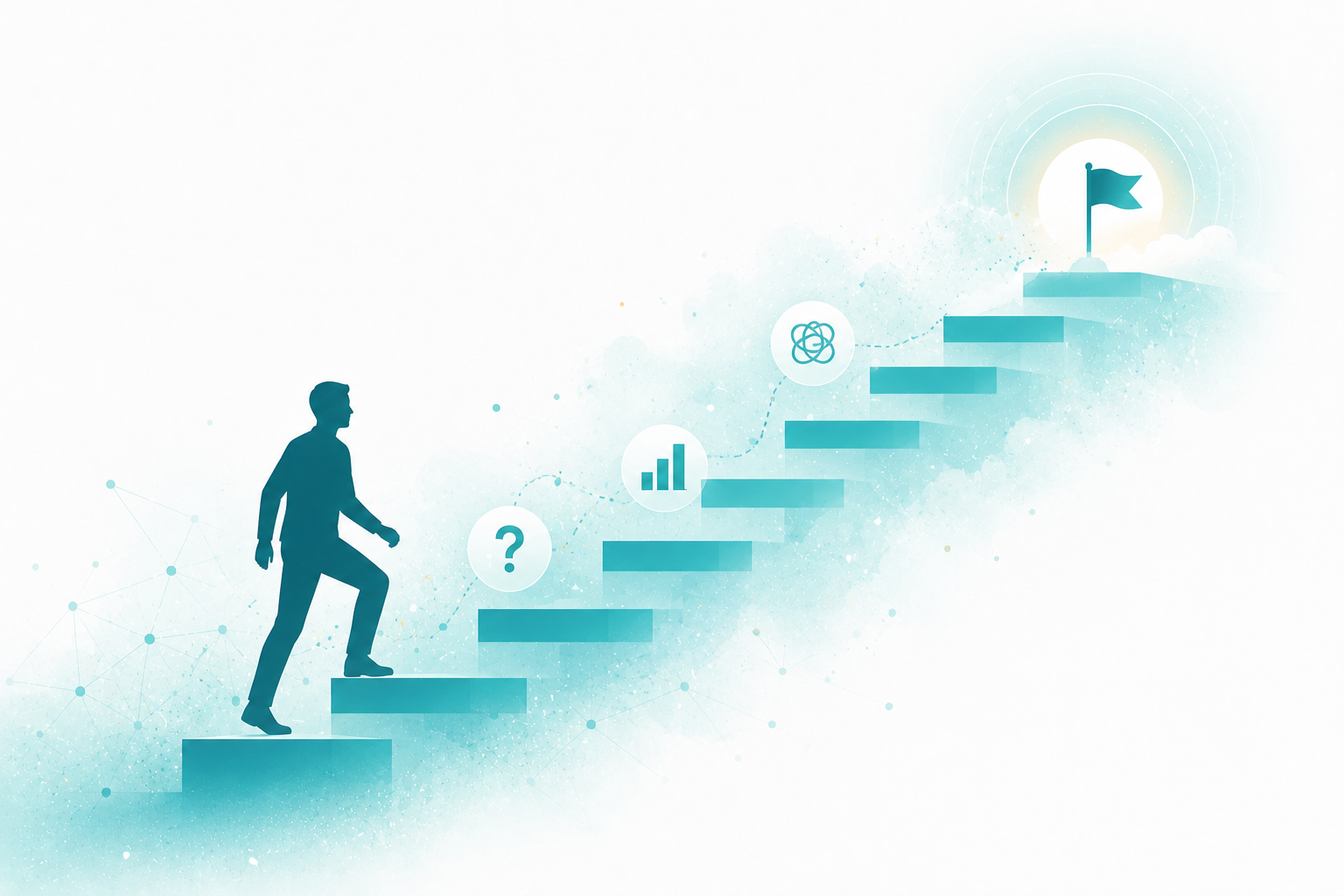
Successful products rarely stay unique forever. Over time, competitors and private label products move closer. Changing a successful product is risky: even small sensory changes can trigger rejection from loyal consumers.
Most product testing captures consumer response at one point in time. But consumers do not experience products once. They experience them repeatedly.
This raised a different question: How can a successful product gradually move in a new sensory direction without losing the consumers who already love it?
The Approach
The Babysteps approach was developed as a long-term consumer learning framework based on principles of repeated exposure and learned liking.
Rather than introducing a large product change in one step, the approach tested whether consumers could adapt to a new sensory direction through carefully calibrated incremental changes over time.
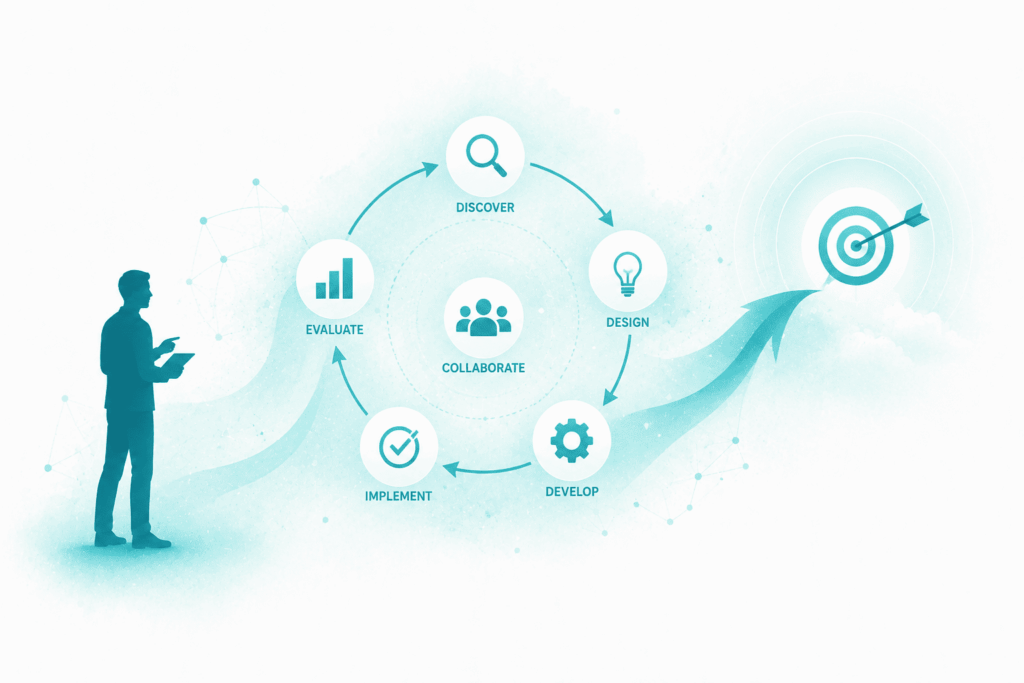
The framework combined:
sensory profiling
consumer segmentation
quantification of the perceptual differences
branded recognition testing
and long-term in-home exposure
A key element was calibrating the perceptual distance between product versions: large enough to create meaningful movement, but small enough to remain acceptable to loyal consumers.
What did we observe?
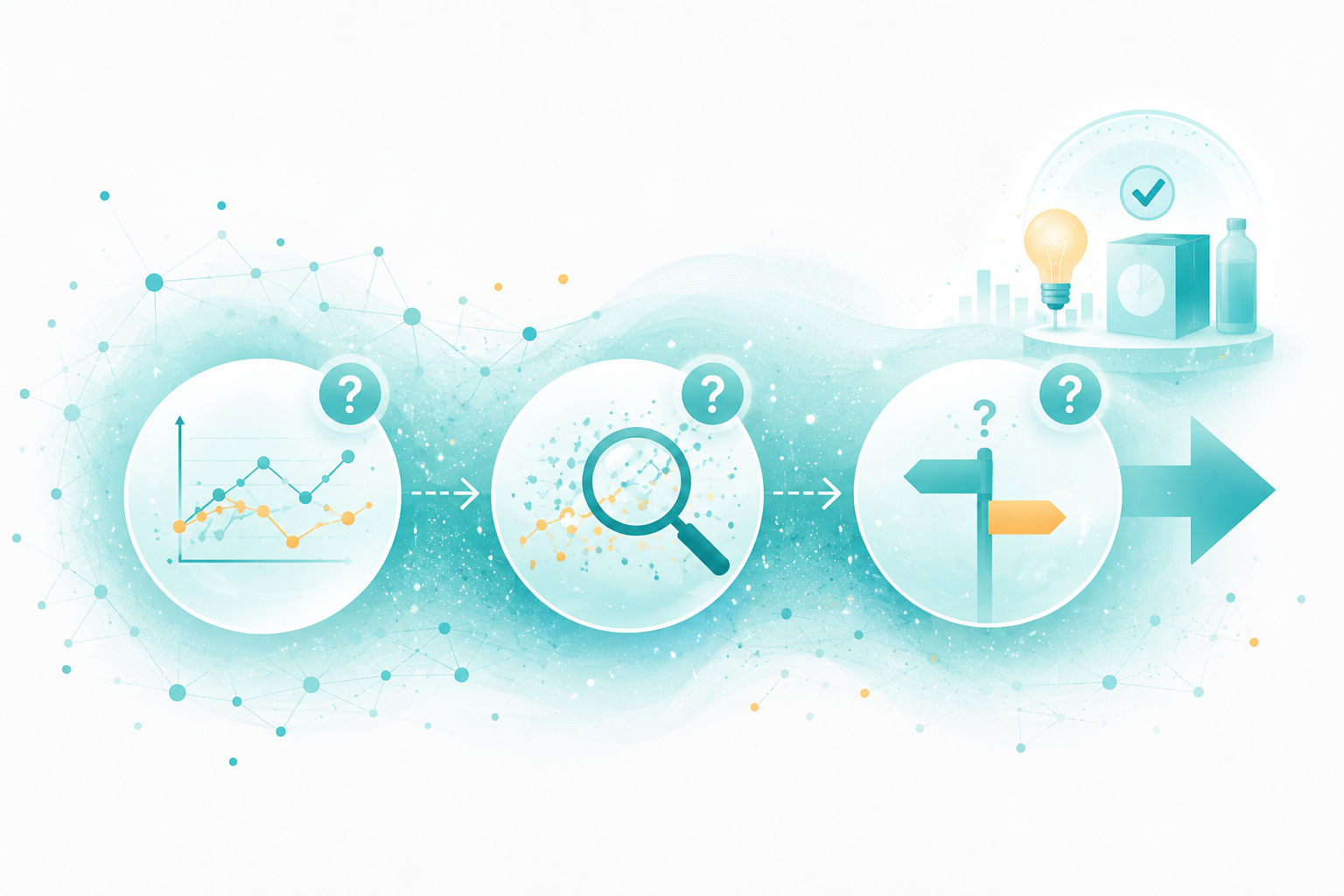
Large one-step changes often led to an immediate drop in liking, especially among loyal users of the original product.
Smaller steps were generally more acceptable, but adaptation differed between consumer groups. Some consumers moved with the product over time, while others remained strongly anchored to the original sensory profile and were more sensitive to change.
The results showed that response to product change was shaped by more than sensory distance alone. Loyalty, expectations, repeated exposure, and the sequence of change all influenced whether consumers accepted the new direction.
Over time, carefully staged changes helped move part of the consumer base toward the new sensory direction, while reducing the risk of losing consumers who were initially resistant.
Key learnings
The Babysteps work showed that successful product change is not only about the technical size of sensory differences. It is about managing how consumers adapt to sensory changes over time.
The findings demonstrated that:
consumers can gradually learn to accept new sensory directions
the size of perceptual change strongly influences acceptance
different consumer groups adapt differently
and repeated exposure can shift what consumer recognize as “their product”
Rather than treating reformulation as a single launch decision, Babysteps treats change as a guided process of consumer adaptation.

Shared with the sensory and consumer science community
This work has been shared widely within the sensory and consumer science community, contributing to discussions on repeated exposure, consumer learning, and managing product change over time. It has been presented at several international conferences and events, including the Pangborn Sensory Science Symposium in 2015, a Sensometrics workshop in 2016, and a symposium on consumer relevance organized by the Institute For Perception in 2018.